

Choose latex for volume decor on a budget and foil for pieces that need to last or make a statement. Untreated latex balloons float on helium for roughly 8 to 24 hours, while foil balloons commonly hold for several days to a week or longer. Latex costs pennies per piece in bulk, which is why garlands and arches use dozens of them, while foil runs several dollars each because you are paying for a shape, a message, or a metallic finish that lasts.
Here’s what to do with that information:
- Building a garland, arch, or cluster for a same-day event? Buy latex and inflate it day-of.
- Need a number, name, or character that has to survive a multi-day event? Buy foil.
- Want latex to last longer than a day? Ask for Hi‑Float treatment before you leave the store.
TL;DR:
- Untreated latex balloons typically float for 8 to 24 hours, while foil balloons can last several days to a week or longer based on size and conditions.
- Applying Hi‑Float to latex balloons extends their float time to 3 to 7 days, making them suitable for multi-day events at a small extra cost.
- Reusable foil balloons are ideal for focal statements due to their longer-lasting shape and helium retention, despite higher purchase prices.
- Both latex and foil balloons should never be released outdoors, as they pose wildlife hazards and contribute to litter; proper disposal and handling are essential.
- For best results, combine latex for volume and movement with foil for centerpiece longevity and messages, fitting inflation timing to each material’s float lifespan.
Table of Contents
- Latex vs Foil Balloons at a Glance
- How Long Do Latex and Foil Balloons Actually Float?
- Weighing the Pros and Cons for Your Event
- Which Balloons Fit Which Type of Event?
- Getting Inflation and Treatment Right
- Environmental and Safety Notes You Shouldn’t Skip
- US Novelty Has Stocked This Decision Since 1922
- Do Latex Allergies Change the Decision?
- How Should You Store and Handle Balloons Before the Event?
- What Actually Matters When You’re Choosing Between Them
- Shop the Right Balloons for Your Event at US Novelty
- Key Takeaways
- Sources
Latex vs Foil Balloons at a Glance
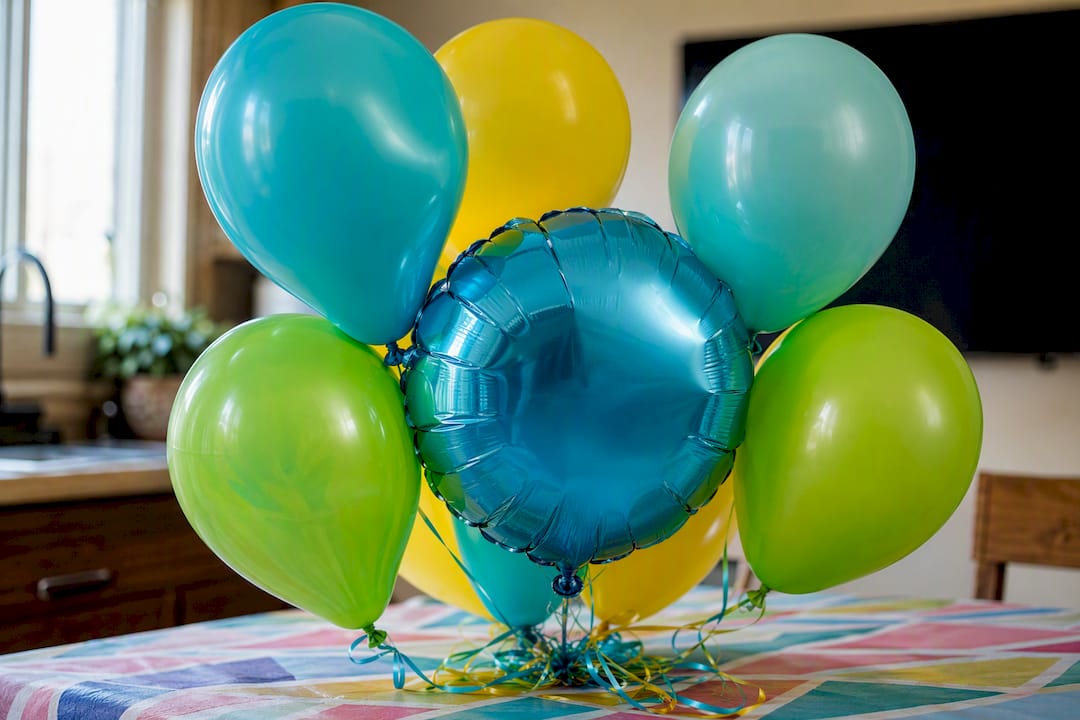
Latex balloons come from natural rubber tapped from rubber trees, which makes them stretchy, cheap, and easy to cluster into organic shapes. Foil balloons (often called mylar) are cut from a metallized nylon film that holds its shape and blocks helium far better than rubber does.
The practical differences show up fast once you start planning:
- Float time: latex holds helium for about a day untreated; foil often holds for several days to a week or more.
- Cost per piece: latex runs a few cents to a dollar each in bulk; foil runs $2 to $8 or more depending on size and shape.
- Best at scale: latex wins for volume (garlands, arches, backdrops); foil wins for single statement pieces.
- Reusability: foil can sometimes be re-inflated and stored between uses; latex generally cannot once deflated.
Neither one is the “better” balloon. They do different jobs, and most well-decorated events use both.
How Long Do Latex and Foil Balloons Actually Float?
The float-time gap comes down to a simple physical fact: helium is a tiny molecule, and it slips through the microscopic pores in latex rubber far more easily than it slips through metallized foil film. HowStuffWorks explains that this diffusion is why an untreated latex balloon starts sagging within a day while a foil balloon of the same size can still be floating a week later.
The float-time numbers that matter for planning:
- Untreated latex, helium filled: roughly 8 to 24 hours
- Latex treated with Hi‑Float, helium filled: commonly 3 to 7 days
- Standard foil/mylar, helium filled: several days to a week or more
- Large foil shapes and bubble balloons: can float for weeks in the right conditions
Size and environment shift these numbers in both directions. A small 11 inch latex balloon loses helium faster than a large 3 foot foil number simply because it has less volume relative to its surface area. Heat expands the gas inside a balloon and can push it past its stretch limit, while direct sun degrades latex and fades foil print faster than either material would fade indoors. Humidity has a smaller but real effect on latex porosity too.
Pro Tip: If your event is more than a day out, inflate latex the night before at the earliest and always ask for Hi‑Float on anything that needs to last through a weekend. For foil, same-day or one-day-ahead inflation keeps the seams and print looking crisp.
Weighing the Pros and Cons for Your Event
The right choice depends on what the balloon actually has to do once it’s hanging, floating, or sitting on a table.
- Latex advantages: low cost per piece, huge color palette, and the flexibility to twist, cluster, or garland into arches, backdrops, and organic shapes that foil simply can’t replicate.
- Latex drawbacks: shorter float time untreated, and more sensitive to direct sun and heat, which can cause early popping or fading.
- Foil advantages: float time measured in days rather than hours, the ability to print numbers, names, and custom messages, and some shapes hold their air long enough to be reused across more than one event.
- Foil drawbacks: higher per-unit cost, and the metallized film is not accepted in standard curbside recycling.
The decision usually comes down to three questions: what’s your budget per piece, how many days does the display need to survive, and do you need a specific number, name, or shape that only foil can deliver cleanly? Answer those three and the material picks itself.
Which Balloons Fit Which Type of Event?
Garlands, arches, and ceiling clusters call for latex, air-filled or Hi‑Float-treated helium, because you need dozens of pieces at low cost and the organic, clustered look only rubber balloons give you. Inflate these as close to the event as your schedule allows, since even treated latex is working against a clock.
Focal pieces change the math entirely. A birthday number, a “Congrats Grad” message, or a favorite character shape belongs in foil, because these are usually the centerpiece of the display and need to survive the full event, sometimes several days of setup and teardown. Trade professionals commonly build large installations by mixing the two: latex for the mass and movement, foil for the one or two pieces that carry the message.
For outdoor and multi-day events, lean toward air-filled structures over helium-filled ones wherever possible. Air-filled latex and foil both last far longer than their helium counterparts because there’s no buoyancy to lose, only slow deflation, and wind and heat are far less forgiving outdoors than indoors.
Getting Inflation and Treatment Right
Getting the float time you expect depends on how the balloon is filled, not just which material you buy.
- Ask for Hi‑Float on latex if the display needs to survive more than a day. This liquid coating lines the inside of the balloon and slows helium loss, commonly stretching a 12 to 24 hour float into 3 to 7 days.
- Fill foil balloons correctly. Overinflating stresses the seams and can cause early leaks or bursts, so stop at the size printed on the packaging rather than pushing for extra firmness.
- Size latex to its job. Larger latex balloons hold helium longer relative to their surface area, so upsize when float time matters more than unit cost.
- Choose your helium source based on volume. Professional tanks fill faster and more consistently for big orders; small DIY tanks work fine for a dozen balloons but run out fast past that.
Pro Tip: For a next-day install, treat every latex balloon with Hi‑Float and inflate foil the same day you need it on display. That combination gets you the longest realistic runway without sacrificing appearance.
Environmental and Safety Notes You Shouldn’t Skip
Both agencies that regulate outdoor litter agree on one point: don’t release balloons outdoors. The U.S. Fish & Wildlife Service warns that released balloons come down as wildlife hazards, and the EPA lists balloon releases as a direct contributor to litter and marine debris.

Disposal realities differ by material. Latex is biodegradable, though decomposition can take anywhere from six months to four years depending on the environment. Foil is metallized film and is not accepted in standard curbside recycling programs, so plan to reuse it when you can and throw it in regular trash when you can’t.
A few practical habits cover most of the risk:
- Never release balloons outdoors, even “biodegradable” latex ones.
- Deflate and dispose of latex in regular trash once it’s done its job.
- Store and reuse foil balloons where the shape and seal allow it.
- Tether foil balloons securely; the metallized coating conducts electricity and has caused localized power outages when balloons drift into lines, so weight every foil piece and keep them clear of overhead wires.
US Novelty Has Stocked This Decision Since 1922
Usnovelty has been supplying party goods since 1922, long enough to watch latex and foil balloons become the two default choices for nearly every event type in the country. That history shows up in how the balloon selection is organized on the site, with curated collections built around solid colors, themes, and occasions rather than a single generic bin of “balloons.”
A few starting points if you’re ready to shop:
- Browse the site’s balloon types explained guide for a deeper breakdown of materials and product-level picks.
- Check the balloon decoration ideas post for real setups that mix latex volume with foil focal points.
- Look at the Birthday Chevron air-filled foil balloon with stick if you want a durable, take-home foil option that doesn’t need helium at all.
Do Latex Allergies Change the Decision?
A latex allergy makes the material choice for you, and it’s a more common concern than most party planners realize. Natural rubber latex contains proteins that can trigger anything from mild skin irritation to a serious reaction in sensitized individuals, and balloons are one of the most frequent latex exposures at gatherings with children.
If anyone at your event has a known latex allergy, foil balloons remove the risk entirely since they’re made from metallized film with no rubber content. That makes foil the safer default for classroom parties, daycare events, hospital settings, and any gathering where you don’t know every attendee’s medical history in advance. It’s also worth skipping latex balloon games that involve popping or handling deflated pieces, since airborne latex particles from a popped balloon can affect sensitized guests even if they never touch it directly.
For events where latex is still the better fit for budget or aesthetic reasons, you don’t have to abandon it outright. Keep foil alternatives on hand for guests who need them, post a simple heads-up on the invitation if you know a guest has a latex sensitivity, and avoid letting popped latex fragments sit around on floors or tables where kids might pick them up. Most party allergy incidents are avoidable with a little advance planning rather than a full material ban, but when in doubt for a public or school event, foil is the lower-risk choice.
How Should You Store and Handle Balloons Before the Event?
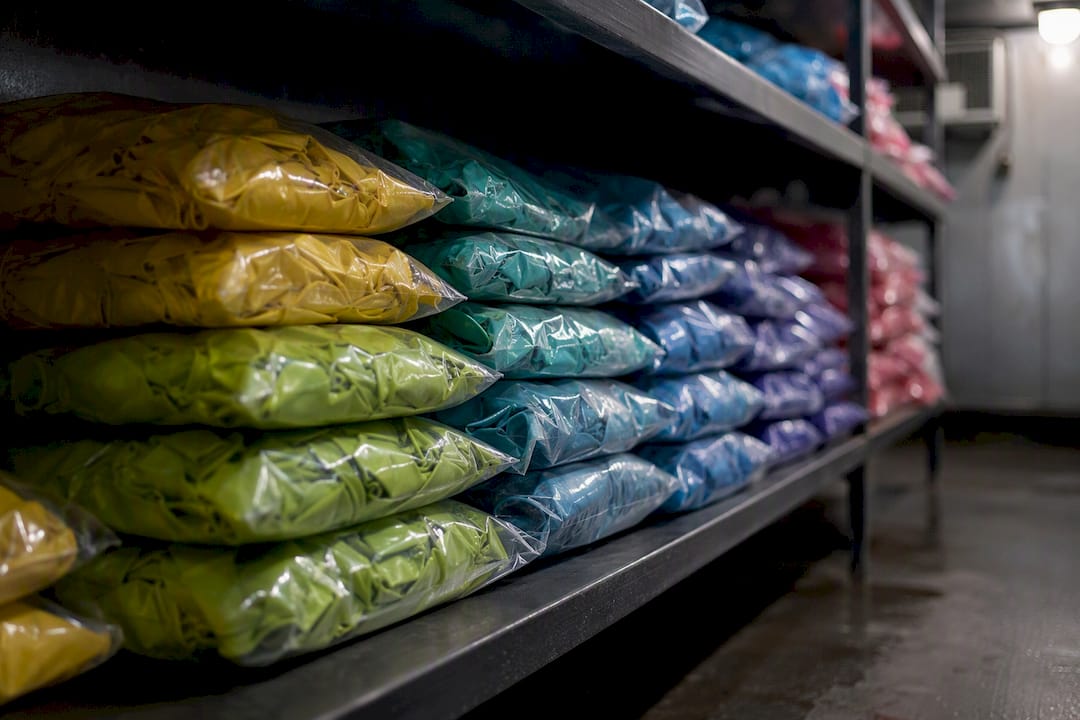
Temperature and sharp edges do more damage to balloon inventory than almost anything else, and both materials have different weak points. Latex balloons are sensitive to heat and direct sunlight, which dries out the rubber and makes it brittle enough to pop with a light touch. Store unfilled latex in a cool, dark place, ideally under 75°F, and keep filled latex balloons away from car interiors, radiators, and windowsills where sun exposure is direct.
Foil balloons handle temperature swings better than latex but are far more vulnerable to punctures. The metallized film doesn’t stretch the way rubber does, so a fingernail, a pet’s claw, a sharp table corner, or even a rough zipper pull can put a pinhole in the seam that leaks helium slowly for hours before you notice. Keep foil balloons away from jewelry, belt buckles, and anything with a rough edge during transport, and lay them flat rather than stacking heavy items on top.
Both materials benefit from being inflated as close to the event as your schedule allows, since storage time itself works against float time no matter how careful you are. If you’re transporting balloons in a car, keep the air conditioning on rather than letting the interior heat up. A hot trunk on a summer afternoon can overinflate and pop latex balloons within an hour, and it stresses foil seams too.
What Actually Matters When You’re Choosing Between Them
Most guides frame this as a binary choice, latex or foil, when the real skill is knowing how to mix them for the job at hand. The event planners who get the best results almost never pick one material exclusively. They use latex for the parts of the display that need volume and movement, an arch, a garland, a cluster of balloons spilling out of a box, and they reserve foil for the one or two pieces that actually need to survive the event or carry a message.
The advice that gets overlooked most often isn’t about the balloons themselves, it’s about timing. A gorgeous latex garland inflated two days early will look tired by the time guests arrive, no matter how much you spent on it. Meanwhile, a foil number balloon inflated too early can develop a slow seam leak that leaves it drooping in photos. Match the inflation schedule to the material’s actual float time, not to your own convenience, and most of the disappointment people report with balloon decor disappears.
If you’re weighing cost against longevity, don’t treat it as an either/or. A Hi‑Float-treated latex garland paired with one or two foil focal pieces usually costs less than an all-foil display and looks better than an all-latex one that’s lost its shape by hour three.
— Jared
Shop the Right Balloons for Your Event at US Novelty
Usnovelty gives you both sides of this decision in one place, so you’re not piecing together a latex order from one supplier and a foil number from another. The site’s curated collections group solid-color latex by shade and size right alongside foil banners, air-filled shapes, and character balloons, which means you can build a garland and grab your statement piece in a single order and clear the $75 threshold for free shipping without hunting across multiple stores.

If your event needs volume, start with a latex bundle and treat it with Hi‑Float for anything running longer than a day. If you need a focal piece that has to last, look at a foil option like the Balloon Fun 50’ foil banner or the Painted Balloons 15’ foil banner for a decorative statement that holds up across a multi-day event. Pair either with a balloon mini cascade centerpiece for tablescapes, and check the party favors selection at partner site Loots by Shiry if you’re assembling take-home bags alongside your balloon order. Head to Usnovelty and build your order around the float time your event actually needs.
Key Takeaways
Latex balloons win on cost and volume for short-term decor, while foil balloons win on float time and durability for statement pieces and multi-day events.
| Point | Details |
|---|---|
| Match material to duration | Use latex for same-day volume decor and foil for anything that needs to last several days. |
| Float time gap is real | Untreated latex holds helium about 8 to 24 hours; foil commonly holds several days to a week or more. |
| Hi‑Float extends latex | Treated latex can float 3 to 7 days, closing much of the gap with foil for a small added cost. |
| Never release balloons | Federal wildlife and EPA guidance both warn against outdoor releases due to litter and wildlife harm. |
| Shop both materials together | Usnovelty stocks solid-color latex, foil banners, and take-home foil shapes in one curated selection since 1922. |
Sources
- HowStuffWorks — How long do helium balloons last?
- BalloonLab USA — How Long Do Helium Balloons Last?
- Encenter — Balloons (environmental notes)
- U.S. Fish & Wildlife Service — Balloons and wildlife: please don’t release your balloons